
10 Must-Visit Temples in Uttarakhand for a Spiritual Journey Introduction
They call Uttarakhand Devbhumi—the Land of the Gods—and the name is no exaggeration. Every valley here whispers ancient chants, every river feels like a flowing hymn, and the mountains themselves stand like timeless guardians of faith. To walk through Uttarakhand’s temples is not just to admire architecture or history—it is to step into a living, breathing conversation with the divine. A journey here is less about reaching a destination and more about allowing your soul to be stirred, healed, and humbled.
If you’ve ever longed to experience spirituality in its purest form, here are 10 temples in Uttarakhand that will transform your journey into a pilgrimage of the heart.
1. Kedarnath Temple
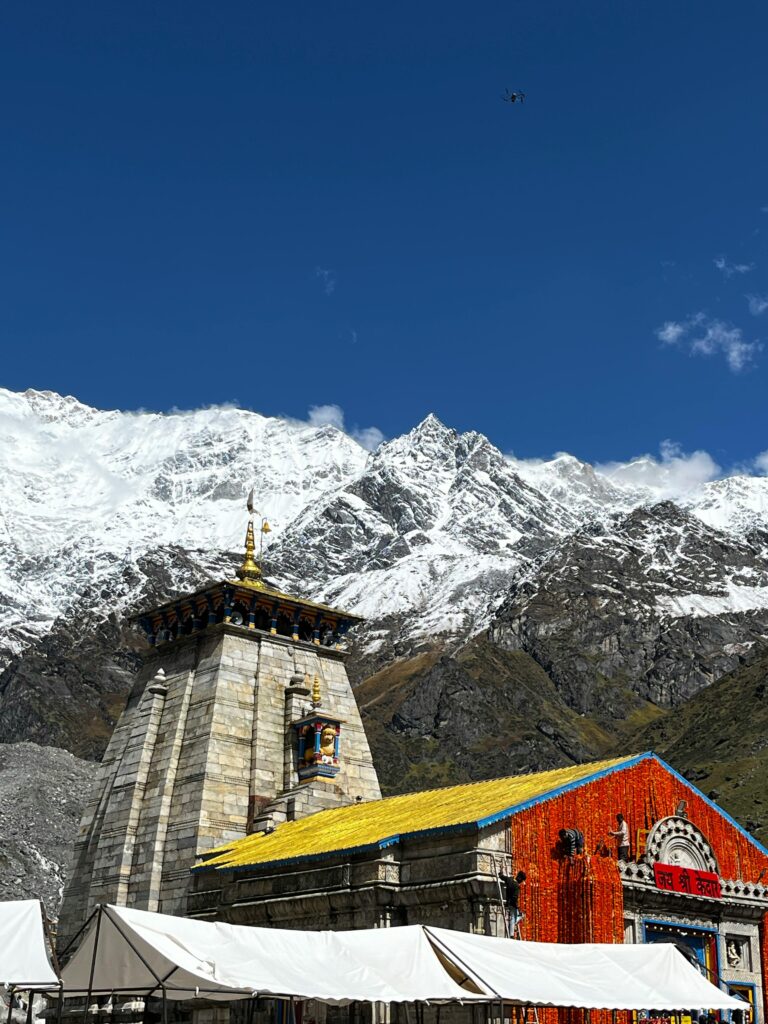
Nestled high in the Garhwal Himalayas, Kedarnath feels less like a temple and more like an embrace from Lord Shiva himself. The towering snow peaks, the Mandakini river, and the silence that falls once the evening aarti ends—everything here feels otherworldly.
✨ Legend: One of the 12 Jyotirlingas, where Lord Shiva is worshipped in his eternal form.
💡 Tip: Arrive early for the morning prayers when the first rays of the sun touch the temple’s stone walls—it feels like the heavens themselves are opening.
📍 Travel Notes: Reachable by a 16 km trek from Gaurikund (ponies and helicopters are available). Best visited May–June and September–October.
2. Badrinath Temple
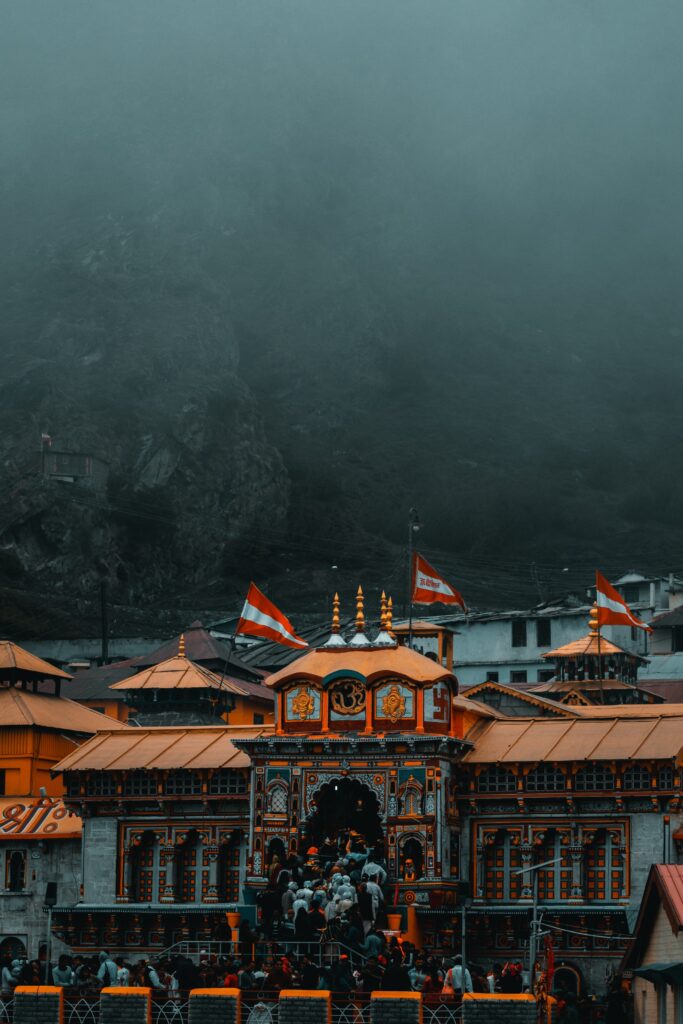
Perched at 10,000 feet, this shrine to Lord Vishnu radiates warmth even amidst icy winds. Its colorful façade against snow peaks is unforgettable.
✨ Legend: Lord Vishnu meditated here while Goddess Lakshmi sheltered him as a Badri tree.
💡 Tip: Sit quietly by the Alaknanda River—you’ll feel an extraordinary calm, as though time itself has paused.
📍 Travel Notes: Well connected by road from Rishikesh, Haridwar, and Dehradun. Best visited May–June and September–October.
3. Tungnath Temple
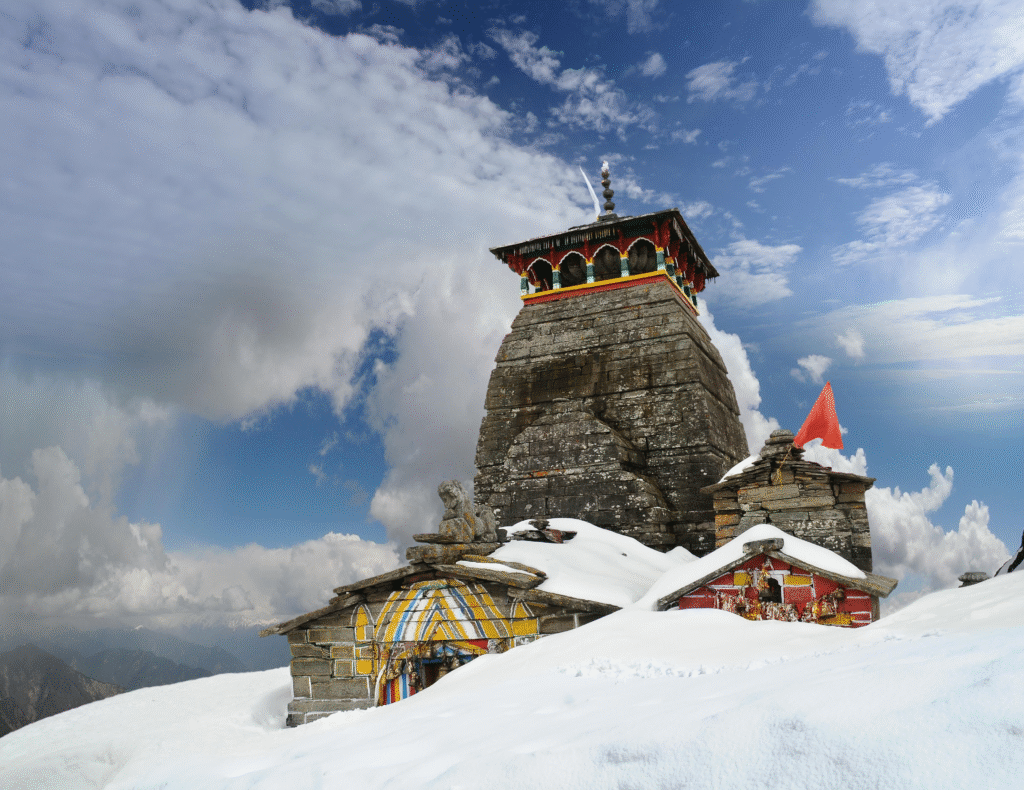
The world’s highest Shiva temple at 12,000 feet, Tungnath is reached via a scenic trek filled with rhododendrons and alpine meadows.
✨ Legend: Said to house Lord Shiva’s arms after the Kurukshetra war.
💡 Tip: Visit at sunrise—the golden light spilling over the peaks while bells echo is a memory for a lifetime.
📍 Travel Notes: Trek begins from Chopta (3.5 km). Best visited April–November before snow closes the route.
4. Yamunotri Temple
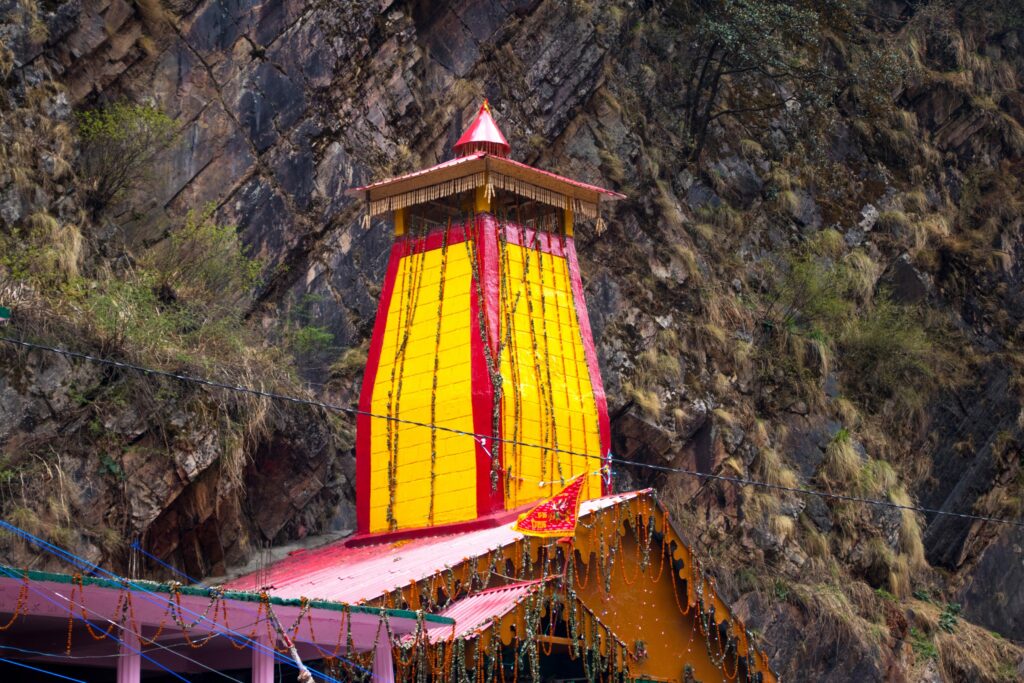
The birthplace of the Yamuna River, this temple feels like a source of purity itself. The journey, with waterfalls and hot springs, is as sacred as the destination.
✨ Legend: Goddess Yamuna blesses devotees with health and long life.
💡 Tip: Dip your hands in the Surya Kund hot spring before entering—it feels like a blessing from nature.
📍 Travel Notes: Accessible via a trek from Janki Chatti (5 km). Best season: May–June and September–October.
5. Gangotri Temple
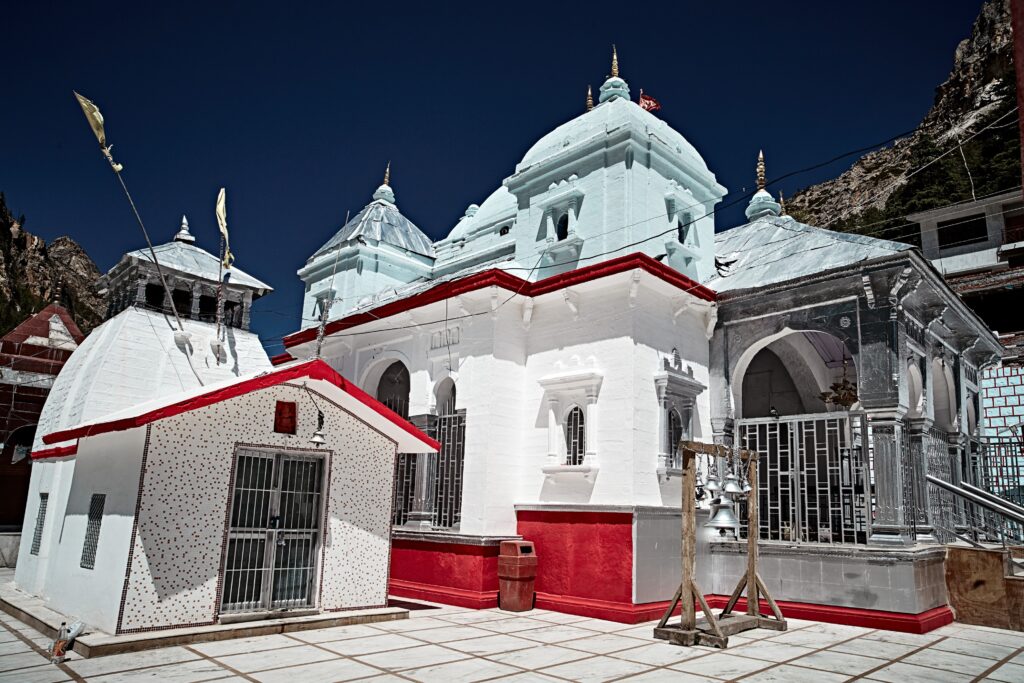
Where the holy Ganga begins her earthly journey, Gangotri is drenched in spiritual energy. The snow peaks, the roaring river, the chants—it all feels eternal.
✨ Legend: Here Goddess Ganga descended to earth to purify mankind.
💡 Tip: Stay back after evening aarti—beneath the stars, with the river singing below, you’ll feel part of a cosmic prayer.
📍 Travel Notes: Well connected by road from Uttarkashi. Best season: May–June and September–October.
6. Jageshwar Temples
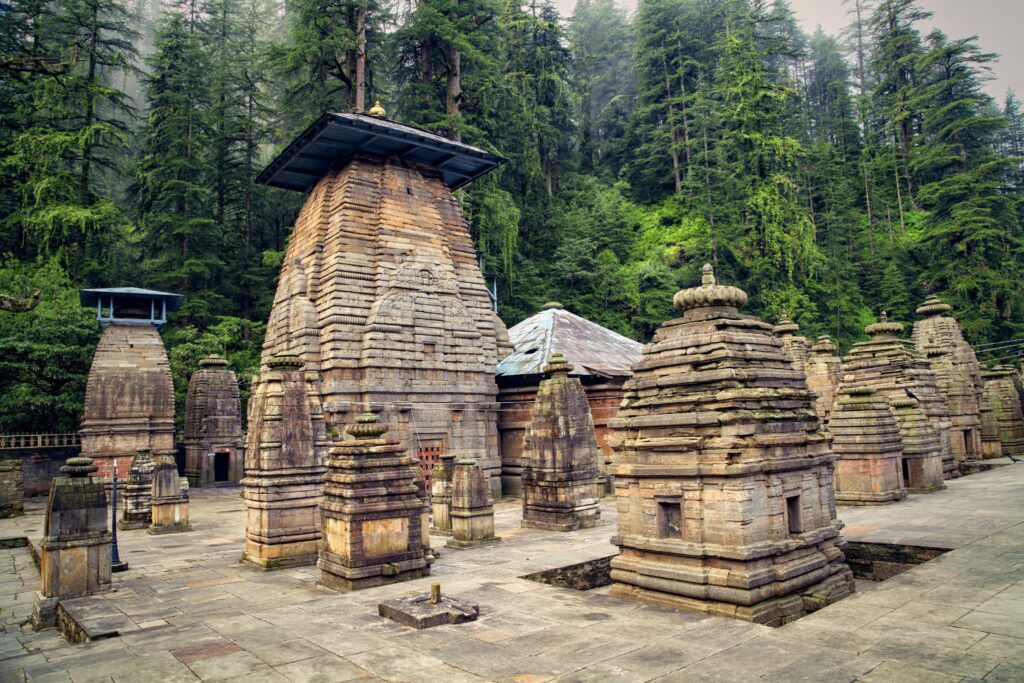
A mystical cluster of over 100 stone shrines hidden within deodar forests, Jageshwar feels like time has stood still.
✨ Legend: Believed to be one of the Jyotirlingas mentioned in ancient scriptures.
💡 Tip: Walk barefoot on the stone pathways—the grounding energy here is profound.
📍 Travel Notes: Located 37 km from Almora. Best time: March–June, September–November.
7. Chandi Devi Temple (Haridwar)
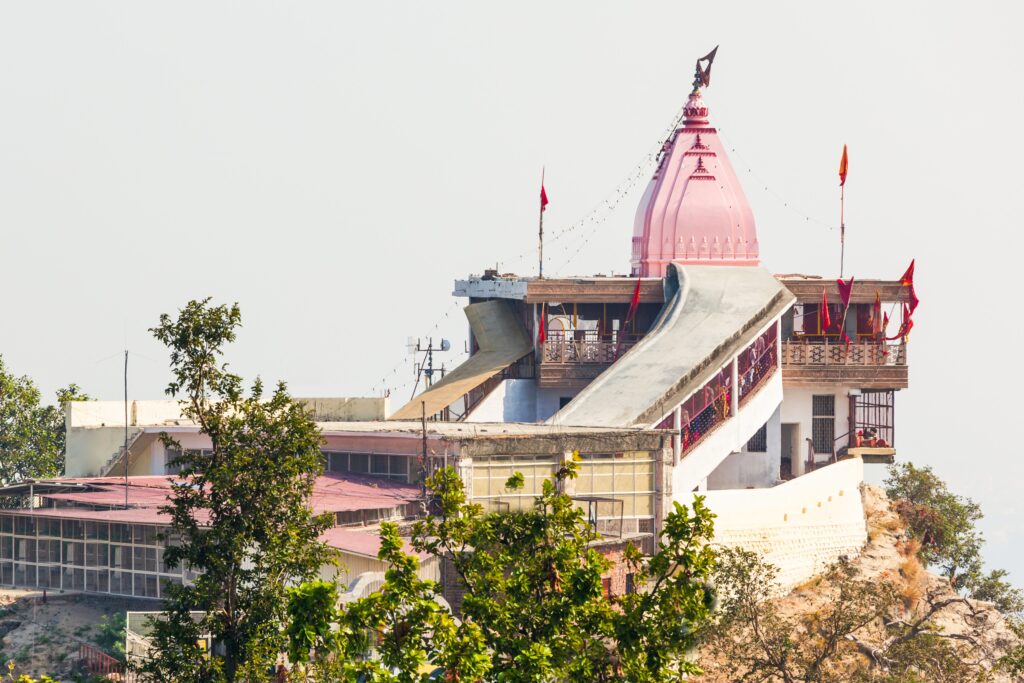
Perched on Neel Parvat, overlooking the sacred Ganga, Chandi Devi is a vibrant celebration of Shakti.
✨ Legend: Goddess Chandi is said to have slain demons here.
💡 Tip: Take the ropeway for a slow unveiling of the sacred landscape.
📍 Travel Notes: Accessible by trek (3 km) or ropeway. Open year-round, but best during Navratri.
8. Mansa Devi Temple (Haridwar)
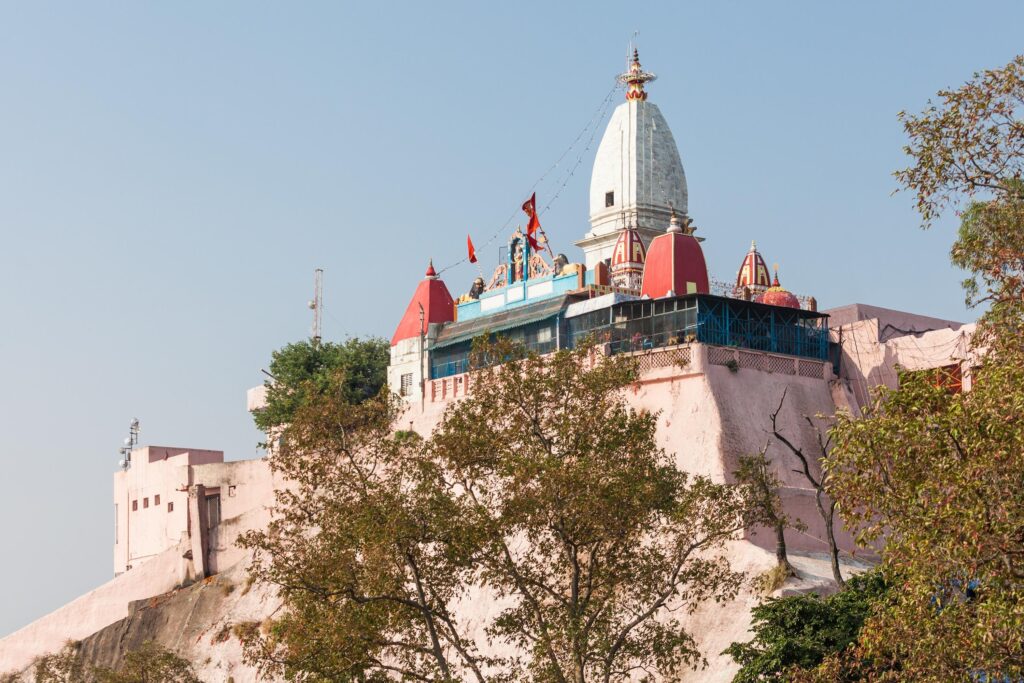
Across the river from Chandi Devi, this hilltop temple is where devotees tie threads of faith to seek blessings.
✨ Legend: Mansa Devi is the wish-fulfilling goddess, granting sincere prayers.
💡 Tip: Visit at dawn—the quiet amplifies the depth of your prayer.
📍 Travel Notes: Reachable by trek (3 km) or ropeway. Open year-round, best during festivals.
9. Neelkanth Mahadev Temple (Rishikesh)
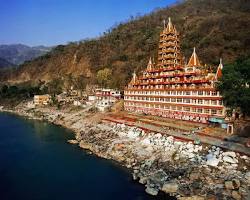
Surrounded by dense forests, this temple marks the site where Lord Shiva consumed poison during the Samudra Manthan.
✨ Legend: The poison turned his throat blue, earning him the name Neelkanth (blue-throated one).
💡 Tip: Offer bel leaves—it’s a simple yet meaningful ritual.
📍 Travel Notes: 32 km from Rishikesh. Open year-round, especially lively during Shivratri.
10. Hemkund Sahib
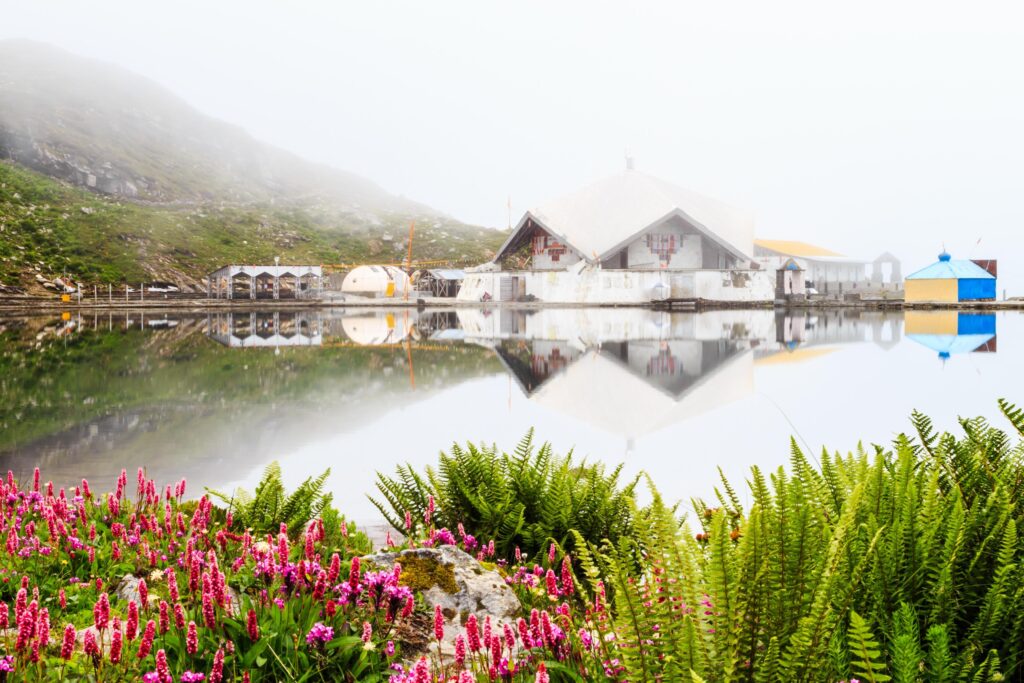
Though a Sikh Gurudwara, Hemkund Sahib is essential to Uttarakhand’s spiritual landscape. At 15,000 feet, beside a glacial lake, it embodies silence and surrender.
✨ Legend: Guru Gobind Singh Ji is believed to have meditated here in a past life.
💡 Tip: Pause by the lake—the still waters reflect not just the mountains but your inner self.
📍 Travel Notes: A 6 km trek from Ghangaria (which itself is a trek from Govindghat). Best season: June–September.
Conclusion
Visiting these sacred spaces in Uttarakhand is not just about ticking destinations off a list—it is about allowing yourself to be transformed. Each temple is a gateway, not just to the divine but also to deeper layers of your own being. Here, amidst rivers that purify, forests that heal, and mountains that protect, you begin to understand why Uttarakhand is called Devbhumi.
Call to Action
So, which of these sacred temples is calling to you? Share your thoughts in the comments below—I’d love to hear which path your heart longs to follow.